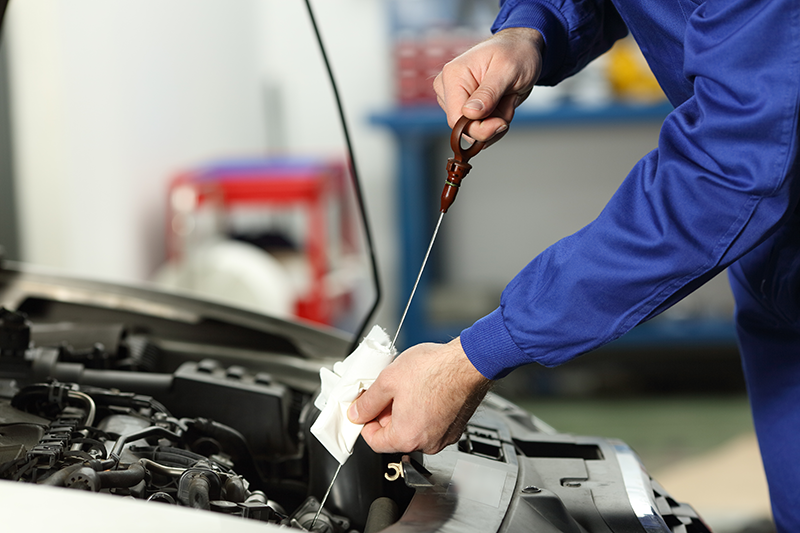
Checking your oil is a simple but essential part of vehicle maintenance that can help ensure your Buick or GMC runs smoothly. Engine oil plays a critical role in keeping your engine lubricated and functioning properly. Over time, the oil can degrade and lose its effectiveness, potentially leading to engine damage if not addressed. By regularly checking your oil, you can catch issues early and keep your vehicle in top condition. At Green Brook Buick GMC in Green Brook, NJ, we believe that every car owner should know how to check their engine oil. In this guide, we’ll walk you through the process of checking your oil, as well as offer tips on when and how to maintain it for optimal vehicle performance. Why Checking Your Oil is Important Engine oil lubricates the moving parts of your car’s engine, reducing friction and preventing overheating. Without sufficient and clean oil, the engine could suffer from excessive wear, decreased efficiency, and even catastrophic damage. By regularly checking and changing your car’s oil, you help maintain the longevity and reliability of your Buick or GMC vehicle. Prevent Engine Wear and Tear Oil helps minimize friction between engine components. As oil breaks down, it loses its ability to lubricate, which can lead to engine parts rubbing against each other. This can cause overheating, premature wear, and costly repairs. Improve Fuel Efficiency When your engine is well-lubricated with clean oil, it runs more efficiently, improving fuel economy. Low or dirty oil can increase the effort needed to power the engine, leading to increased fuel consumption. Keep Your Engine Clean Engine oil helps clean the engine by trapping dirt, dust, and debris. When oil becomes dirty or old, it loses its ability to clean and can actually start to deposit contaminants back into the engine. Regularly checking your oil and changing it ensures that your engine stays clean and operates at its best. Step-by-Step Guide to Checking Your Oil Checking your car’s oil is a simple process, but it’s important to follow the right steps to get an accurate reading. Here’s how to check the oil in your Buick or GMC: 1. Park Your Car on a Level Surface Before you begin, make sure your car is on a flat surface to ensure that the oil settles in the pan properly. If your car is on a slope, you might get an inaccurate reading. Turn off the engine and let it cool down for at least 5 to 10 minutes. This prevents hot oil from splashing and ensures you’re reading the oil level accurately. 2. Locate the Oil Dipstick In most Buick and GMC vehicles, the oil dipstick is located near the front of the engine. It’s usually marked with a brightly colored handle (often yellow or orange) and is a long, thin metal rod. If you’re unsure, consult your owner’s manual to locate the dipstick in your specific model. 3. Pull Out the Dipstick and Clean It Once you’ve located the dipstick, pull it out gently. Wipe it clean with a rag or paper towel to remove any oil that might have splashed on the stick during driving. This ensures an accurate reading without any residue. 4. Reinsert the Dipstick After cleaning the dipstick, fully reinsert it back into the tube. Make sure it goes all the way down to ensure you get a proper reading. 5. Pull the Dipstick Out Again and Check the Oil Level Once the dipstick is back in place, pull it out again and inspect the oil level. The dipstick will have two marks—usually labeled “low” and “full” —to indicate the oil level. Ideally, the oil should be between these two marks. If the oil level is below the lower mark, you will need to add oil. 6. Inspect the Oil’s Condition Along with checking the level, it’s important to inspect the condition of the oil. Clean oil is amber or light brown. If the oil is dark and sludgy, it’s time for an oil change. You should also check for any metal particles or grit in the oil, which can indicate engine wear. When to Change Your Oil While checking your oil regularly is essential, it’s also crucial to know when to change it. Even if your oil looks clean and is at the proper level, it can still break down over time. The general recommendation for changing oil is every 3,000 to 7,500 miles, depending on the type of oil you use and your vehicle’s needs. Traditional Oil: Requires more frequent changes, typically every 3,000 to 5,000 miles. Synthetic Oil: Can last longer, up to 7,500 miles or more, depending on your car’s make and model. It’s also important to check your oil level in between oil changes, especially if you notice any unusual engine noises or a decrease in performance. Tips for Maintaining Your Oil 1. Use the Right Oil for Your Vehicle Always use the oil recommended by your vehicle’s manufacturer. Buick and GMC vehicles often require synthetic or synthetic blend oil for better performance, especially in extreme weather conditions. Check your owner’s manual for the proper oil grade. 2. Don’t Overfill Your Oil While adding oil is important if your levels are low, overfilling can cause excessive pressure on the engine, leading to leaks and potential damage. Always add oil gradually and recheck the level after adding to ensure you don’t exceed the “full” mark. 3. Replace Oil Filters Regularly When changing the oil, always replace the oil filter. The oil filter helps catch contaminants and debris in the oil, ensuring clean oil circulates throughout the engine. Neglecting the oil filter can reduce the effectiveness of your oil change. 4. Monitor Oil Leaks If you find yourself needing to add oil frequently, it may be a sign of a leak. Oil leaks can damage the engine if not addressed. If you notice puddles of oil under your vehicle or an oil light on your dashboard, it’s time to inspect the vehicle for leaks. Why Regularly Checking Your Oil is Crucial for Your Buick or GMC Regularly checking and maintaining your engine oil ensures that your Buick or GMC runs efficiently, lasts longer, and delivers better performance. Oil changes, along with routine inspections, can save you significant money in the long run by preventing engine damage and optimizing fuel efficiency. At Green Brook Buick GMC in Green Brook, NJ, our team of certified technicians is ready to assist you with oil changes and other maintenance services. Whether you drive a Buick Encore, a GMC Sierra, or any other model, we’re here to keep your vehicle in top condition.